Should You Renovate Your Home Before Selling? A DFW Seller's Guide (November 2026)
Seller Strategy series from OnDemand Realty. Updated November 2026.
Should you renovate before selling your home in Dallas-Fort Worth? It is one of the first questions homeowners ask when they start thinking about a move, and the honest answer is "some things, yes, most big projects, no." In November 2026 the DFW market is giving buyers more time and more choices than it did a few years ago, so condition matters. But the data is also clear that large remodels rarely pay for themselves at resale. This guide walks through which updates tend to earn their keep, which ones usually don't, what Texas law and the TREC contract mean for repairs, and a step-by-step plan for deciding what to do before you list.
Key Takeaways
- Small, visible updates usually beat big remodels. In the 2025 Cost vs Value Report for the West South Central region (which includes Texas), a garage door replacement recouped about 270% of its cost and a steel entry door about 234%, while a midrange major kitchen remodel recouped about 51%. (JLC Cost vs Value 2025)
- Paint, cleaning, decluttering and curb appeal are the projects agents recommend most. NAR's 2025 Profile of Home Staging found 91% of sellers' agents recommend decluttering, 88% recommend cleaning the whole home and 77% recommend improving curb appeal. (NAR)
- DFW buyers have room to negotiate right now. October 2026 NTREIS data shows single-family homes in the Dallas-Fort Worth-Arlington metro took an average of 66 days to sell, sold for 93.7% of list price and sat at 4.4 months of inventory. (NTREIS October 2026 report)
- Fix what an inspector will flag. Under the TREC resale contract, buyers usually get an option period to inspect and negotiate. Known defects you leave alone often come back as repair requests or price cuts.
- Permits matter in Texas. The Texas Seller's Disclosure Notice asks about room additions, structural changes or repairs made without necessary permits. A rushed, unpermitted project can create a disclosure problem instead of adding value. (Texas Property Code 5.008)
Renovate Before Selling: The Short Answer for DFW Homeowners
Think about pre-listing work in three buckets:
- Repairs. Things that are broken, leaking, unsafe or likely to show up on an inspection report. These usually should be fixed or at least priced in, because buyers will find them anyway.
- Refreshes. Paint, cleaning, landscaping, light fixtures, hardware, minor kitchen and bath touch-ups. These are relatively cheap, fast and help your home photograph and show well.
- Remodels. New kitchens, bathroom additions, room additions, pools and major system upgrades done mainly to raise the price. These are expensive, slow and, according to national and regional data, rarely return what they cost.
For most DFW sellers, the sweet spot is "repairs plus a smart refresh." Remodels make sense mainly when your home is far behind the comparable homes buyers will tour, and even then the math needs to be checked carefully.
What the DFW Market Looks Like in November 2026
Condition matters more when buyers aren't rushing. Here is how the latest official NTREIS monthly report describes the metro's single-family resale market. The data period is October 2026, released by the Texas Real Estate Research Center at Texas A and M University on November 7, 2026, the newest official month available as of this writing.
| Dallas-Fort Worth-Arlington metro, single-family (October 2026) | Value | Change vs October 2025 |
|---|---|---|
| Closed sales | 5,971 | -16% |
| Median sale price | $381,000 | -2% |
| Average days on market | 66 | +2% |
| Sold-to-list price ratio | 93.7% | n/a |
| Active listings | 31,752 | Flat |
| Months of inventory | 4.4 | n/a |
| Pending sales | 5,292 | -23% |
| New listings | 10,111 | -9% |
Source: NTREIS Monthly MLS Summary Report, October 2026, prepared by the Texas Real Estate Research Center at Texas A and M University.
What does that mean for the renovation question?
- Buyers are comparing. With more than 31,000 active single-family listings across the metro, buyers can walk away from a home that needs work and tour three more that don't.
- Homes are selling below list on average. A 93.7% sold-to-list ratio means the typical buyer is negotiating. Visible defects give them more reasons to ask for money back.
- Time costs money. Average days on market of 66 means two-plus months of mortgage, taxes, insurance and utilities before you even get to closing. A home that shows well can help cut that time, while a long renovation adds to it before you list.
Which Pre-Listing Updates Actually Pay Back?
The best-known source on this is the annual Cost vs Value Report from Zonda, published with the Journal of Light Construction (JLC). It compares the average cost of common remodeling projects with the value real estate professionals estimate they add at resale. The table below uses the 2025 report's West South Central region figures, which cover Texas, Oklahoma, Arkansas and Louisiana, alongside national averages.
| Project (2025 Cost vs Value) | West South Central job cost | West South Central resale value | Cost recouped (region) | Cost recouped (national) |
|---|---|---|---|---|
| Garage door replacement | $4,409 | $11,917 | 270.3% | 267.7% |
| Manufactured stone veneer | $10,333 | $25,061 | 242.5% | 207.9% |
| Steel entry door replacement | $2,301 | $5,380 | 233.9% | 216.4% |
| Minor kitchen remodel (midrange) | $26,762 | $31,385 | 117.3% | 112.9% |
| Fiber-cement siding replacement | $19,672 | $22,143 | 112.6% | 113.7% |
| Midrange bath remodel | $22,995 | $18,622 | 81% | 80% |
| Vinyl window replacement | $20,171 | $14,238 | 70.6% | 75.5% |
| Asphalt shingle roof replacement | $27,116 | $18,478 | 68.1% | 67.5% |
| Bathroom addition (midrange) | $54,735 | $28,567 | 52.2% | 53.3% |
| Major kitchen remodel (midrange) | $77,742 | $39,806 | 51.2% | 50.9% |
| Major kitchen remodel (upscale) | $151,557 | $52,378 | 34.6% | 35.7% |
| Primary suite addition (midrange) | $158,320 | $51,977 | 32.8% | 32.3% |
Source: JLC 2025 Cost vs Value Report, West South Central region and Zonda's 2025 report summary. These are survey-based averages, not guarantees for any one home.
A few patterns jump out:
- Exterior, curb-appeal projects lead the list. Zonda notes that exterior projects consistently deliver more value at resale than large interior remodels, and that the West South Central region posted some of the strongest returns in the country.
- A minor kitchen refresh is the only interior project that cleared 100%. That means keeping the layout and updating surfaces, fronts, hardware, lighting and appliances, not gutting the room.
- Big remodels lose money on paper. A midrange major kitchen remodel in the region cost about $77,700 and added about $39,800 in estimated resale value. An upscale version recovered about a third of its cost.
What NAR's research adds
The National Association of Realtors' 2025 Remodeling Impact Report uses a different method (Realtor estimates of resale value compared with remodeler cost estimates from NARI) and lands on lower percentages, but the same story. A new steel front door topped its list at 100% cost recovery, while a complete kitchen renovation and a minor kitchen upgrade were each estimated at 60% and a bathroom renovation at 50%. NAR also reports that the projects agents most often recommend to sellers are painting the entire home, painting one room and new roofing when it's needed.
Its separate 2025 Profile of Home Staging found:
- 29% of sellers' agents said staging led to a 1% to 10% increase in the dollar value offered.
- 49% of sellers' agents said staging reduced time on market.
- The median cost of a staging service was $1,500.
- The living room (37%), primary bedroom (34%) and kitchen (23%) were the rooms buyers' agents said mattered most to stage.
Renovations That Usually Make Sense Before You List
Here is how those findings translate into a practical pre-listing list for a typical DFW home.
1. Fix real defects first
Leaky plumbing, a roof with active damage, an HVAC system that doesn't cool in August, broken windows, rotten trim, doors that won't latch, GFCI outlets that don't trip. These are the items that show up on inspection reports and turn into repair requests during the option period. They aren't glamorous, and they won't show up in a Cost vs Value table, but they protect your price and your contract.
2. Paint
Fresh, neutral interior paint is the single most common recommendation from agents in NAR's research. It covers years of scuffs, nail holes and bold color choices, and it makes listing photos look brighter and cleaner. Exterior trim paint can do the same for curb appeal.
3. Curb appeal and the front entry
The garage door and front door are the two highest-returning projects in the regional Cost vs Value data, and in many DFW suburbs the garage door takes up a big part of the front elevation. Even when replacement isn't needed, repainting doors, replacing tired house numbers and light fixtures, edging beds, adding fresh mulch and trimming trees away from the roof all help the first photo and the first impression.
4. A light kitchen refresh
If your kitchen is clean and functional but dated, think "refresh": painted or refaced cabinets, new hardware, a modern faucet, updated light fixtures, and possibly new counters if the existing ones are damaged. Avoid moving walls, plumbing or gas lines just to sell.
5. Flooring that is damaged or mismatched
Worn carpet, stained areas or a patchwork of different floors can make a home feel like a project. Replacing damaged carpet or refinishing existing hardwood can be a reasonable spend when it removes an obvious objection. Get a quote first and compare it with what nearby updated homes sold for.
6. Clean, declutter and stage
Cleaning and decluttering cost far less than any remodel and are among the most recommended steps in NAR's research. Pack early, remove extra furniture and personal photos, and make sure every room has a clear purpose. Our post on holiday decorating and staging your DFW listing covers how to show a home well this time of year.
Renovations That Usually Don't Pay Back Before a Sale
| Project | Why it usually doesn't make sense right before selling |
|---|---|
| Major kitchen remodel | Regional data shows about 51% cost recovery for midrange and about 35% for upscale, and it can take months. |
| Bathroom or primary suite addition | Recovers roughly a third to half of cost in the regional data and often needs permits, engineering and inspections. |
| Pool installation | Expensive, slow and a matter of buyer taste; some buyers see a pool as a maintenance cost. |
| Highly personal design choices | Bold tile, custom built-ins and niche finishes may narrow your buyer pool instead of growing it. |
| Upgrading far beyond the neighborhood | If your home becomes the most expensive on the street, comparable sales may not support the price you need to recover the cost. |
| Unpermitted DIY structural work | Can create disclosure, inspection and appraisal problems that cost more than the work added. |
The rule of thumb: if a project costs tens of thousands of dollars, takes more than a few weeks, or requires permits and engineering, run the numbers with your agent and a contractor before starting.
Illustrative Math: Refresh vs Remodel
The example below is illustrative only. It uses the 2025 West South Central Cost vs Value averages above and a hypothetical home. Your actual costs and resale value depend on your home, neighborhood comps and market timing.
Imagine a DFW homeowner with a dated but functional kitchen, choosing between two options before listing:
| Illustrative scenario | Option A: minor kitchen refresh | Option B: midrange major kitchen remodel |
|---|---|---|
| Estimated project cost | $26,762 | $77,742 |
| Estimated added resale value | $31,385 | $39,806 |
| Estimated difference (value minus cost) | +$4,623 | -$37,936 |
| Typical time impact | Weeks | Often months |
| Extra holding costs while you wait | Lower | Higher |
On paper, the refresh roughly pays for itself while the full remodel leaves the seller about $38,000 behind before counting the extra months of mortgage payments, property taxes, insurance and utilities. That's why most agents steer sellers toward refreshes and repairs, not remodels.
Texas Rules That Shape Your Renovation Decision
The Seller's Disclosure Notice
Texas Property Code Section 5.008 requires most sellers of a single-family home to give buyers a written disclosure about the property's condition, and TREC publishes a Seller's Disclosure Notice form many sellers use. Among other items, the statutory notice asks whether you are aware of:
- Items that are not in working condition, have known defects or need repair
- Previous structural or roof repair
- Water damage not due to a flood event
- Room additions, structural modifications or other alterations or repairs made without necessary permits or not in compliance with building codes in effect at that time
That last line matters for anyone tempted to rush a project before listing. Work that should have been permitted can end up disclosed to every buyer. If your project requires a permit in your city, pull it, and keep the inspection records and contractor invoices for your listing file. You can read the full statute at the Texas Constitution and Statutes site.
The option period and repair negotiations
Most DFW resale contracts use the TREC One to Four Family Residential Contract (Resale). It typically gives the buyer a negotiated option period, paid for with an option fee, during which the buyer can terminate for any reason. As the Texas Real Estate Research Center explains in its option period guide, buyers use that time for inspections, including specialty inspections for the roof or foundation, and to negotiate repairs.
The center also notes that agreeing to an option period doesn't obligate a seller to accept any repair request. Still, defects you already know about tend to surface during inspections. Fixing them before you list, or pricing the home to reflect them, often avoids a tough renegotiation in the middle of your deal.
Property taxes and closing costs
Texas property taxes are based on appraised market value set by your county appraisal district, as the Texas Comptroller explains. In a Texas sale, property taxes are typically prorated between buyer and seller at closing, so extra months on the market mean more months of taxes you pay as the owner. If you want the full picture of seller expenses, see our guide to how much it really costs to sell a house in Texas.
Keep receipts for tax purposes
IRS Publication 523, Selling Your Home, explains that the cost of improvements can be added to your home's basis, which may reduce your taxable gain, and that many homeowners can exclude up to $250,000 of gain ($500,000 for most married couples filing jointly) if they meet the ownership and use tests. Routine repairs are generally treated differently from improvements. Keep invoices for any work you do and ask a tax professional how they apply to you.
Step-by-Step: How to Decide What to Renovate Before Selling
- Get a pricing conversation first. Before you spend anything, ask a listing agent to pull recent sales of homes like yours in your neighborhood. Note which comps were updated and what they sold for compared with homes that weren't.
- Walk the house like a buyer. Make a list of anything broken, worn, dated or dirty. Take photos of each room to see what stands out on a screen.
- Consider a pre-listing inspection. A licensed inspector can find issues before a buyer's inspector does, so you can decide whether to fix, disclose or price them in.
- Sort the list into repairs, refreshes and remodels. Fix safety and function issues first, then pick the refreshes that remove the biggest objections.
- Get real quotes. Compare contractor bids with the added value your agent thinks the work could support. Ask about timelines and permit requirements.
- Set a budget and a deadline. Decide how much you are willing to spend and the date you want to list. If a project would push your listing date back by months, weigh that against the market you would be listing into.
- Pull permits where required and keep records. Save invoices, warranties and inspection sign-offs. They help with disclosures, buyer questions and your own tax records.
- Clean, declutter and stage. Finish with a deep clean, fresh paint touch-ups and staging so your listing photos show the work.
- Price to the condition. Whatever you decide, price the home based on its condition compared with recent sales, not on what you spent.
When Selling As Is Makes More Sense
Sometimes the right answer is to skip updates entirely. That can be true when:
- The home needs major work, such as foundation repairs, a full roof or system replacements, that you can't fund or manage before moving.
- You're selling an inherited or rental property and don't want to manage contractors.
- Your timeline is short because of a job move or a home you've already bought.
- Nearby comps show investors and renovation buyers are active at your price point.
Selling as is still requires honest disclosure in Texas, and it usually means pricing below updated homes. If you're weighing a fast cash offer, our guide to iBuyers and instant offers versus listing in DFW walks through the tradeoffs.
Common Mistakes Sellers Make With Pre-Listing Renovations
- Overspending on taste-driven upgrades. Your favorite finishes may not be what the next owner wants.
- Starting a project without a finish date. Half-done rooms, contractor delays and material backorders can push your listing into a slower season.
- Skipping permits. This can turn an upgrade into a disclosure issue.
- Ignoring the basics. A beautiful new backsplash won't distract a buyer from a leaking water heater.
- Pricing based on cost, not comps. Buyers and appraisers look at what similar homes sold for, not what you spent.
For more pitfalls to avoid, read 7 mistakes DFW home sellers make before listing.
FAQs
Should I renovate my kitchen before selling my house in Texas?
Usually only lightly. In the 2025 Cost vs Value Report's West South Central region, a midrange minor kitchen remodel recouped about 117% of its cost, while a midrange major kitchen remodel recouped about 51% and an upscale one about 35%. A refresh with paint, hardware, lighting and repairs is usually a better bet than a full remodel right before selling.
What home improvements add the most value before selling in DFW?
Based on the 2025 regional Cost vs Value data, exterior projects like a new garage door, steel entry door and manufactured stone veneer recouped the most. NAR's research shows agents most often recommend painting, decluttering, cleaning and improving curb appeal.
Is it better to fix things or offer a credit to the buyer?
It depends on the issue and your timeline. Fixing obvious defects before listing helps the home show better and can reduce repair requests during the option period. For bigger items, some sellers prefer to price the home accordingly or negotiate a credit or price reduction after inspections. Your agent can help you compare both approaches against recent comps.
Do I have to disclose renovations or repairs when I sell in Texas?
The Texas Seller's Disclosure Notice under Property Code Section 5.008 asks about things like previous structural or roof repair, items in need of repair and room additions or alterations made without necessary permits. Talk with your agent or a real estate attorney about how to complete your disclosure accurately.
How long before listing should I start renovations?
Start with a pricing conversation and quotes so you know which projects are worth doing and how long they'll take. Small refreshes like paint and landscaping can often be done in a few weeks, while anything requiring permits or special-order materials can take much longer.
Will renovating help my home sell faster in the current DFW market?
It can help when it removes obvious objections. In October 2026, the average DFW single-family home took 66 days to sell and sold for 93.7% of list price, according to NTREIS. Homes that look clean, updated and well-maintained give buyers fewer reasons to wait or negotiate hard.
Related OnDemand Realty Posts
- How Much Does It Really Cost to Sell a House in Texas? November 2026 Guide
- 7 Mistakes DFW Home Sellers Make Before Listing (November 2026)
- What Is an iBuyer? A DFW Seller's Guide to Instant Cash Offers vs Listing
- Plano Housing Market Update November 2026
- Christmas Tree Trends 2026: Decorate Your New Home or Stage Your DFW Listing
Sources
- NTREIS Monthly MLS Summary Report, October 2026 (Texas Real Estate Research Center at Texas A and M University)
- JLC 2025 Cost vs Value Report, West South Central region
- Zonda 2025 Cost vs Value Report summary
- NAR: 12 remodeling projects that offer the best value at resale (2025 Remodeling Impact Report)
- NAR 2025 Profile of Home Staging press release
- Texas Property Code Chapter 5, including Section 5.008
- TREC Seller's Disclosure Notice
- TREC One to Four Family Residential Contract (Resale)
- Texas Real Estate Research Center: Option Period Basics
- Texas Comptroller: Property Tax Basics
- IRS Publication 523, Selling Your Home
Ready to Plan Your Sale?
Deciding what to fix, what to refresh and what to leave alone is easier with local data in hand. OnDemand Realty agents across Dallas-Fort Worth can pull recent comparable sales for your neighborhood, help you prioritize updates that buyers actually notice and build a pricing plan around today's market. Visit www.ondemanddfw.com to connect with an OnDemand Realty agent and get started.
Disclaimer: This article is for general information only and isn't legal, tax or financial advice. Renovation costs and returns vary by home, neighborhood and contractor. Market data is from the sources and periods cited and can change. Consult a licensed real estate professional, attorney or tax advisor about your situation.
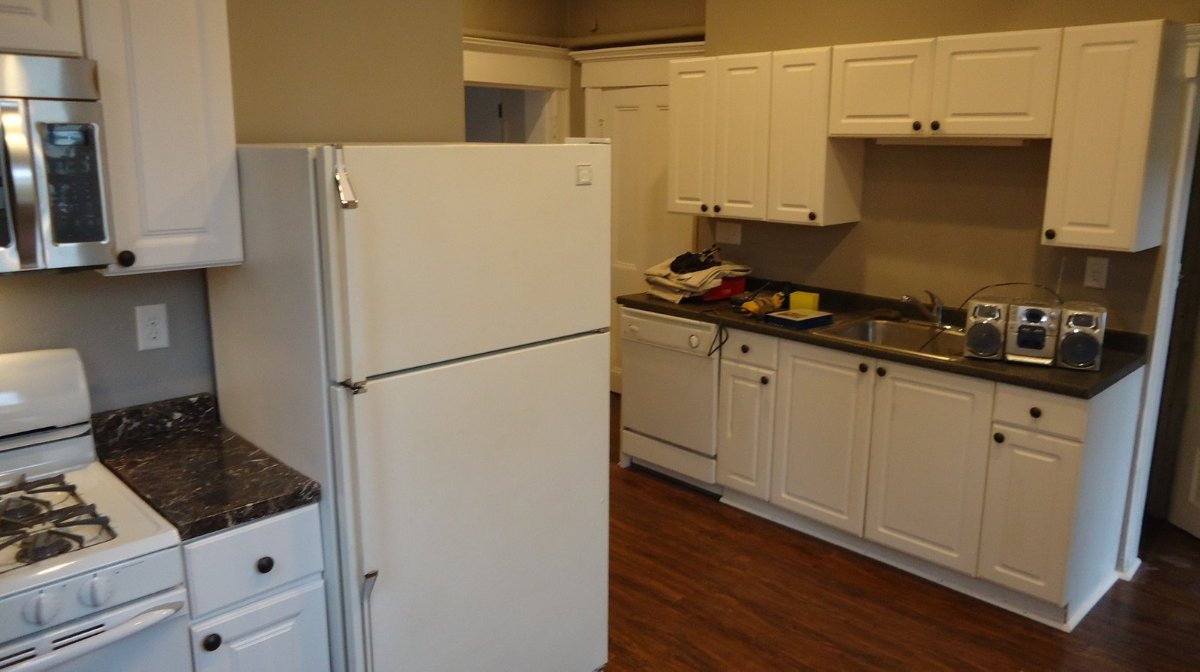
Photo: "Kitchen renovation project mostly finished" by Tomwsulcer via Wikimedia Commons, released under CC0 (public domain dedication), cropped.
Categories
Recent Posts